
How Google AI Overviews Are Changing Campground Reputation Management in 2026
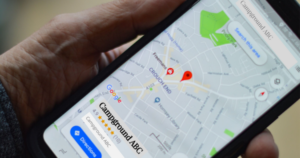
When a modern camper searches for a weekend getaway: typing phrases like “best family RV park near Austin with full hookups” into Google: they are no longer met with a simple list of blue links and review stars. Instead, Google AI Overviews campground summaries synthesize reviews, photos, and business profiles into a conversational narrative right at the top of the search results page.
Because the reality is this: search engines are no longer acting as mere directories. They are acting as digital concierge services.
If your outdoor hospitality business isn’t optimized for how artificial intelligence reads and summarizes guest feedback, you are effectively invisible to a quarter of your potential bookers. Mastering campground reputation management in 2026 requires looking far beyond simple star ratings and understanding how algorithms parse human language.
Why AI Doesn’t Just Count Stars Anymore
Have you ever wondered how Google’s generative engine decides which RV resort to recommend first?
Traditional local SEO used to rely heavily on proximity and keyword stuffing. Today, AI models utilize Retrieval-Augmented Generation (RAG) to read the actual text inside your reviews, scanning for sentiment, context, and recurring thematic details. According to recent industry analysis on Google Business Profile AI Overviews by BizIQ, AI engines evaluate your profile as a living data source rather than a static digital business card.
When a camper mentions “sparkling clean bathhouses” or “shaded sites right by the creek,” the algorithm notes those exact phrases. If those descriptors appear consistently across multiple reviews, the AI gains high confidence in recommending your property for those specific intents.
The 4 Review Patterns That Influence Google AI Overviews Campground Results
AI engines do not treat all customer feedback equally. Research into how AI Overviews use Google reviews highlights four specific review patterns that consistently trigger top-tier AI citations:
- Detailed Sensory Reviews: Feedback mentioning specific textures, smells, or physical features (e.g., “crisp morning air around the fire pit”).
- Use-Case Mentions: Reviews that describe the exact occasion, such as family reunions or quiet weekend getaways.
- Comparison Notes: Comments explaining why a camper chose your park over alternatives down the road.
- Owner-Responded Feedback: Reviews paired with thoughtful, keyword-rich owner replies that provide the AI with a second authoritative voice.

4 Actionable Steps to Adapt Your Strategy Today
You don’t need a massive tech budget to win in this new search environment. You just need a structured, proactive approach to your digital footprint.
1. Audit Your Name, Address and Phone Number (NAP) Consistency Across the Web
AI engines hate ambiguity. If your Google Business Profile spells your street name as “Road” while your website footer says “Rd” and your listing on The Dyrt says something else entirely, the algorithm may flag your entity as untrustworthy. Start by following our guide on updating your campground business listing online to align your core data everywhere.
2. Prompt for Descriptive Guest Feedback
Stop asking for generic 5-star ratings. Instead, encourage departing guests to share the specific details of their stay: whether it was the tranquility of the trees or the ease of your digital check-in. The more descriptive your reviews are, the more raw data you feed into the AI knowledge graph.
3. Respond with Intent and Context
Never leave a review unanswered. When you reply, naturally weave in relevant terminology. If a guest praises your playground, your response can mention your “safe, family-friendly playground and spacious shaded sites.” This gives the AI additional quotable text to associate with your brand.
4. Master the Foundation of Reviews
If you haven’t yet locked down your core workflow, review our foundational breakdown on 6 easy steps to manage your campground and rv park reviews. Building a repeatable review-generation habit is your single highest-leverage task this season.

The Bottom Line for Outdoor Hospitality Operators
The shift toward conversational search means that campground reputation management is directly tied to your organic visibility and direct booking revenue. When you treat your online presence as a cohesive database, you guide the narrative before a potential guest ever visits your website.
Let’s make sure your park is the one the algorithm recommends first when campers start planning their next great outdoor escape.