
6 Easy Steps to Master Campground Reputation Management in 2026
Back in 2023, we published our original guide on managing park reviews. A lot has changed in three years. Back then, we were still calling it “Google My Business,” and AI search summaries weren’t actively parsing every single camper review before a guest even reached your booking engine. Today, mastering campground reputation management is the foundational pillar of your entire digital marketing strategy.
Because the reality is this: modern campers don’t just read reviews: they let algorithms synthesize them.
Whether you operate a 300-site resort with luxury glamping cabins or a quiet family-owned campground in the Pacific Northwest, your online presence precedes you. If you want to attract qualified travelers and secure direct bookings, you need more than a passive listing. You need an active, structured approach to your online reputation.
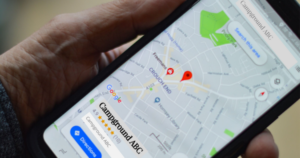
Step 1: Claiming and Verifying Your Google Business Profile for Effective Campground Reputation Management
Before you worry about multiplatform reviews or automated tools, you have to lock down your digital front door.
If you haven’t updated your terminology since the old GMB days, take a breath: Google Business Profile (GBP) is now the absolute epicenter of local search visibility.
- Go to Google Business Profile and verify ownership of your park if you haven’t already.
- Ensure your physical address, seasonal hours, check-in times, and direct website link are completely accurate.
- Turn on built-in messaging alerts so potential campers can ask questions directly from search results.
For a full walkthrough on claiming and verifying your Google Business Profile, see our guide on updating your campground business listing online.
As we covered in our deep dive on why camping is stressful and guest experience starts before they arrive, a camper’s anxiety begins the moment they start searching. Accurate hours and clear amenity details on your GBP eliminate friction instantly.

Step 2: The Multiplatform Reality (Beyond Google)
Google is just the starting line. Today’s outdoor enthusiasts cross-reference multiple platforms before hitching up or packing the trunk.
If your park only exists on Google, you are missing prospective guests who rely on specialized outdoor directories. You need to monitor, claim, and maintain active listings across:
- TripAdvisor for broader travel planners.
- The Dyrt, Campendium, and RV LIFE for dedicated campers and RVers looking for real-world rig clearances and site specifics.
- Facebook Business Page where community recommendations and peer-to-peer tagging drive heavy weekend traffic.
Consistent NAP (Name, Address, Phone) data across all these channels isn’t just good for SEO: it builds immediate trust with campers who demand reliability.
Step 3: Setting Up a Modern Review Request Workflow
Waiting and hoping guests leave reviews is an outdated strategy. You need a frictionless, automated post-stay system.
Here is the 2026 playbook:
- Timing is everything: Configure your reservation system or email platform to send a friendly review request 24 to 48 hours after departure, while the memory of the campfire smoke and starry nights is still fresh.
- Make it one-click simple: Include direct links to your Google Business Profile and your preferred outdoor directory.
- Incorporate on-property signage: Place subtle QR codes on check-in handouts, Wi-Fi login cards, and bathhouse mirrors inviting guests to share their feedback on the spot.
For a masterclass in keeping guests engaged throughout their stay cycle, check out our guide on campground email automation and the set-it-and-forget-it guest journey. Connecting automated emails to your review requests transforms passive guests into vocal brand advocates.
Step 4: Responding with Empathy and AI Assistance
Responding to every review: positive and negative: is non-negotiable. Google’s algorithms reward engagement, and prospective campers read your replies to gauge your hospitality.
When a glowing review comes in, skip the generic copy-paste response. Mention specific details they shared, thanking them for visiting your park.
When a negative review hits, take a breath. Avoid defensive arguments. Acknowledge their frustration, state what you are doing to fix it offline, and invite them to speak with management directly.
Pro tip for 2026: Use AI writing assistants to draft thoughtful, professional replies when emotions run high, but always add your personal campground voice before hitting publish. Effective campground reputation management turns a public complaint into a showcase of your top-tier customer service.
Step 5: Turning Feedback Into Operational Gold
Reviews are not just digital trophies; they are free operations consultants.
If three different families mention slow Wi-Fi near the back loop or outdated bathhouse fixtures, stop guessing and start fixing. When you make those operational updates, reply to the subsequent reviews by telling those campers: “You spoke, we listened: our new Wi-Fi boosters are live!”
When you invest consistent effort into campground reputation management, you create an unbreakable feedback loop that naturally improves your guest satisfaction year after year.
Looking Ahead: Where We Go From Here
This 101 foundation gives you the exact tools you need to secure your listings, automate your review requests, and respond like a hospitality pro. But because the digital landscape evolves quickly, effective campground reputation management requires staying ahead of the curve.
Next week in our August series, we are taking a deep dive into how Google AI Overviews parse and summarize your campground reviews: and what you can do to control the narrative.
If you want expert guidance right now on auditing your online footprint, explore our services at Martrek Digital or connect with our team directly. Let’s fill those sites together!