
3 Easy Steps to Update Your Campground Business Listing Online (2026 Update)
Note: This is a complete, in-place update of our original 2023 guide, fully revised for 2026 search behaviors, AI Overviews, and multiplatform outdoor hospitality standards.)
When prospective campers search for a weekend getaway or a scenic RV spot, they rarely scroll past the first few results or map recommendations. They rely on instant answers, voice prompts, and AI summaries right on their phones.
If your online directory data is stale, you are effectively turning away guests before they even see your camp store or lakeside views. Taking the time to update campground business listing details across the web is no longer a minor administrative chore, it is one of the single most powerful drivers of direct bookings in outdoor hospitality today.
Because the reality is this: modern campers expect frictionless digital experiences from the moment they start dreaming about a trip.
Here is how to take control of your online presence in 2026, structured around three strategic phases designed to maximize your visibility and turn casual searchers into confirmed reservations.
Step 1: Claim and Modernize Your Google Business Profile (Why You Need to Update Campground Business Listing Data Now)
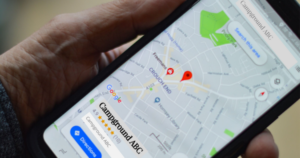
Remember when everyone called it Google My Business? That terminology is long gone. Today, your Google Business Profile (GBP) functions as your park’s primary digital front gate.
With Google’s shift toward AI-powered search summaries, “Ask Maps” conversational queries, and advanced voice search (“Hey Google, find me a pet-friendly RV park near the lake with full hookups”), your GBP data feeds directly into what artificial intelligence tells potential visitors about your property.
To ensure your park is accurately represented, follow these core modernization steps:
- Audit Your Core NAP: Ensure your Business Name, Address, and Phone number match your physical signage and website exactly. Avoid keyword-stuffing your business name, as Google’s automated enforcement flags and penalizes unverified names quickly.
- Update Seasonal Hours and Dates: Campgrounds close for the winter or shift office hours during shoulder seasons. Keep your operational status crystal clear so guests don’t arrive at closed gates.
- Leverage New Attributes and Direct Booking Links: Fill out every relevant attribute: pull-through sites, max rig lengths, Wi-Fi availability, dump stations, pet policies, and water hookups. Add your direct booking URL prominently so guests can reserve instantly without navigating third-party commission sites.
- Keep Activity Fresh: Google rewards active profiles. Post weekly updates about seasonal events, local trail conditions, or campground upgrades. Profiles that go silent for over 30 days often see a noticeable dip in local map visibility.
Pair your updated profile with an active strategy for handling guest feedback; explore our guide on campground reputation management to learn how review responses influence your overall search standing.
Step 2: Expand Beyond Google to the Outdoor Hospitality Ecosystem
While Google commands the lion’s share of initial searches, campers use a specialized network of outdoor-specific platforms to plan their routes and verify reviews before booking.
If you want to update campground business listing profiles comprehensively, you must cast a wider net across the modern outdoor ecosystem.

The Essential 2026 Multiplatform Checklist:
- Bing Places: Often overlooked, Bing powers a significant share of desktop and voice searches (including Microsoft Copilot integrations). Sync your profile here immediately.
- TripAdvisor & Facebook: Essential for social proof, traveler photos, and peer recommendations. Keep your operational links and contact info current.
- Outdoor-Specific Directories: Maintain accurate, verified profiles on niche platforms that avid RVers and tent campers live by, such as The Dyrt, Campendium, and RV LIFE.
For parks managing multiple locations or sister properties across different regions, centralized multi-location management is critical. Consistent brand names, centralized asset libraries, and standardized operational hours across all properties prevent customer confusion and safeguard your search rankings against algorithmic penalties.
Step 3: Integrate Your Listings With Your Direct Booking Strategy
A polished, fully optimized business listing is only half the battle. The ultimate goal of every online update is to drive traffic directly to your proprietary booking engine rather than losing potential revenue to high-commission OTA intermediaries.
When guests click through from an AI summary, a voice search result, or a map listing, your website needs to instantly validate what they just read.
- Align Descriptions: Ensure the site types, hookup availability, and amenities advertised on your business listings match the landing pages on your website word-for-word.
- Streamline Mobile Navigation: Over 80% of spontaneous camping searches happen on mobile devices. Make sure your reservation button is visible within two seconds of landing on your page.
- Monitor and Test: Regularly check your listing analytics, click-through rates, and messaging channels.
If you are looking to audit your entire online footprint, streamline your digital strategy, or explore tailored solutions for your park, feel free to reach out to our team or visit our services page to see how Martrek Digital helps campgrounds thrive.
Keeping your online presence sharp and accurate ensures that when outdoor enthusiasts go looking for their next great adventure, your campground is not only easy to find, but impossible to pass up.