
10 Reasons Your RV Park Website Design Isn’t Converting
Think of your website as the front door to your property.
If a guest pulled up to your physical park and found a gate that was stuck half-open, a check-in sign that was faded and unreadable, and a lobby that felt like a cluttered basement from 1998, they’d probably keep on driving.
In 2026, the reality is that your digital front door is the first experience 99% of your guests will have with you.
Because the reality is this: a website that merely “exists” isn’t enough anymore. If your site isn’t actively guiding guests toward a booking, it’s actually working against you.
At Martrek Digital, we use our signature Roasted Marshmallow Method™ to ensure every digital touchpoint is warm, inviting, and tailored to your ideal guest. We don’t do generic. We do high-conversion storytelling.
Are you seeing high traffic but low reservations? Here are the 10 reasons your RV park website design isn’t converting, why each one is quietly costing you revenue, and why fixing them well takes more than a generic website tune-up.
1. Slow Mobile Load Times (Core Web Vitals Matter)

The issue: your site is slow where it matters most: on mobile.
Modern campers are searching while they’re on the move, often on less-than-perfect service. If your site drags, they never make it to your photos, amenities, or booking engine.
Why it’s costing you money: speed problems don’t just hurt user experience. They hurt rankings, increase bounce rate, and kill conversions before the guest even sees your value. That means you’re paying for traffic you can’t convert.
What most people miss: Core Web Vitals are a technical maze. Most generic agencies treat them like a plugin problem. They’re not. They’re a user-journey problem tied to code structure, media handling, hosting, and page behavior.
Why strategy matters: inside our Roasted Marshmallow Method™, we optimize for the actual camper journey, not just a passing speed score. We look at where guests land, what they need first, and how to reduce friction without sacrificing the story your park needs to tell.
2. Friction in the Booking Funnel
The issue: your booking path asks guests to work too hard.
We see it all the time. Someone is ready to book, but they have to hunt for availability, click through disconnected pages, or reorient themselves once they hit the reservation system.
Why it’s costing you money: every extra click creates hesitation. Every moment of confusion gives a guest time to compare another park instead. That drop-off adds up fast, especially during peak planning windows.
What most people miss: this is not just a button placement issue. It’s conversion architecture. The sequence, labels, page hierarchy, and PMS handoff all influence whether a guest finishes the reservation or abandons it.
Why strategy matters: with the Roasted Marshmallow Method™, we map the booking funnel around how campground guests actually make decisions. Big-rig travelers, weekend families, and seasonal prospects do not all move through a site the same way. A high-converting path takes industry-specific strategy to build correctly.
3. The “Generic Camper” Trap

The issue: your messaging is too broad to feel relevant to anyone.
A big-rig traveler has different concerns than a family booking a holiday weekend. A remote worker staying midweek is looking for something completely different than a couple planning a quiet fishing trip.
Why it’s costing you money: generic messaging lowers trust. When guests don’t immediately see themselves in your site, they assume your park may not fit their needs. That uncertainty leads to fewer direct bookings and more comparison shopping.
What most people miss: audience targeting for campgrounds is not just demographics. It’s equipment type, travel style, trip purpose, seasonality, amenity expectations, and booking urgency.
Why strategy matters: this is exactly where our Roasted Marshmallow Method™ shines. We help parks position the right message to the right guest segment without making the site feel fragmented. That level of nuance is where conversion happens. You can see how we approach that on our campground website services page.
4. Missing “Critical Specs”
The issue: your site leaves out the details serious campers need to book with confidence.
Campers are planners. They want to know site length, hookup details, rig compatibility, shade, pet rules, Wi-Fi expectations, and whether the setup works for their style of stay.
Why it’s costing you money: when critical information is missing, guests hesitate. Some call. Some leave. Most just move on to a park that made the decision easier. In 2026, uncertainty is expensive.
What most people miss: these details are not “extra.” They are sales assets. The right spec placed in the right moment can be the difference between a bounce and a booking.
Why strategy matters: deciding what information to surface, where to place it, and how to package it for different guest types takes outdoor hospitality expertise. Through the Roasted Marshmallow Method™, we turn operational details into trust-building conversion content instead of burying them in a wall of text.
5. Lack of Trust Signals
The issue: your website is not doing enough to prove you’re the safe, credible choice.
Guests need reassurance before they book. Reviews, policies, payment security, updated photography, and clear business information all help reduce perceived risk.
Why it’s costing you money: when trust signals are weak or hidden, guests leave your site to validate you somewhere else. And once they leave, you’ve lost control of the booking journey. According to the KOA North American Camping Report, reviews and recommendations continue to shape campground decisions in a big way.
What most people miss: trust is not a badge you stick in the footer. It’s a layered experience built through design, layout, content sequencing, and proof at the exact moment a guest is deciding whether to move forward.
Why strategy matters: this is where generic web design falls short. Our Roasted Marshmallow Method™ helps parks build trust intentionally, using the signals your ideal guest actually cares about instead of copying what every other website is doing.
6. Cluttered Design (A “Messy Front Door”)
The issue: your website is trying to say too much at once.
Too many pop-ups, too many competing elements, and too many visual distractions make it harder for guests to figure out what to do next.
Why it’s costing you money: confusion slows decisions. When the page feels noisy, guests stop scanning for answers and start looking for the exit. A cluttered design doesn’t just look outdated. It reduces action.
What most people miss: clean design is not about making a site look minimalist for the sake of it. It’s about hierarchy. What gets seen first. What gets understood fastest. What earns the click.
Why strategy matters: in the Roasted Marshmallow Method™, we shape pages around conversion priorities, guest intent, and the emotional decision points that matter in outdoor hospitality. That means knowing what to remove, what to emphasize, and what story order actually leads to bookings.
7. No Real-Time Availability

The issue: your website still creates a delay between interest and action.
If guests have to submit a form, wait for a callback, or email for availability, you’re putting a speed bump in front of a ready-to-book customer.
Why it’s costing you money: today’s guests expect immediate answers. If they can’t check dates and reserve in real time, they’ll book the next park that can. That lost demand is one of the most avoidable revenue leaks we see.
What most people miss: real-time availability is not just a software toggle. It has to be integrated into the website experience in a way that feels seamless, trustworthy, and easy to use across devices.
Why strategy matters: choosing the right placement, wording, and PMS integration approach takes both technical knowledge and industry context. Through the Roasted Marshmallow Method™, we make sure your reservation experience supports conversion instead of creating another point of drop-off.
8. Weak “Search Everywhere” Optimization
The issue: your website is saying one thing while the rest of your digital presence says another.
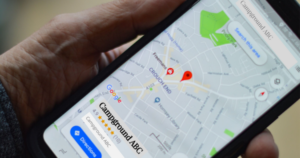
If your Google Business Profile, social channels, listings, and website are inconsistent, guests get mixed signals about who you are and what you offer.
Why it’s costing you money: inconsistency creates doubt. Doubt lowers trust. And when trust drops, so do clicks and bookings. It also weakens your visibility in search because platforms are trying to confirm the same business facts across the web.
What most people miss: Search Everywhere optimization is not a branding exercise. It’s a visibility and conversion strategy that connects search, social, local listings, and your website into one clear guest journey.
Why strategy matters: this takes more than updating a few profiles. Our Roasted Marshmallow Method™ aligns messaging, visuals, and amenity signals across channels so the guest gets a consistent story everywhere they find you. We share more perspective on this in our latest insights.
9. Low-Quality Visuals
The issue: your imagery is underselling the experience guests are actually buying.
Campground marketing is visual. Guests want to picture the pull-through, the fire pit, the bathhouse, the water view, the dog run, the playground, the quiet morning. If your photos feel outdated, dark, or random, the site loses credibility fast.
Why it’s costing you money: weak visuals make your property feel less valuable. That affects both conversion rate and perceived price point. In other words, poor photography can cost you bookings and limit what guests feel comfortable paying.
What most people miss: it’s not just about having professional photos. It’s about capturing the right scenes, in the right order, for the right guest segment, with conversion in mind.
Why strategy matters: inside the Roasted Marshmallow Method™, visuals are part of the sales story. We help parks decide what to feature, what to refresh, and how to use imagery to reinforce trust, fit, and value instead of just filling space on a page.
10. Unclear Value Proposition
The issue: your website is not making your advantage obvious fast enough.
Guests are always comparing. If they can’t quickly tell why your park is the better fit, they will keep looking.
Why it’s costing you money: a weak value proposition forces the guest to do the positioning work themselves. Most won’t. They’ll default to price, location, or whichever competitor made the choice feel easier.
What most people miss: your differentiator is not just a slogan. It has to connect your location, amenities, audience, experience, and brand promise in a way that feels instantly relevant.
Why strategy matters: this is where deep outdoor hospitality positioning matters most. Our Roasted Marshmallow Method™ helps uncover the real reason guests choose you and turns that into messaging that leads the entire site. Not fluff. Not generic claims. A clear strategic advantage your ideal guest can feel right away.

Are You Ready to Open the Door?
Your website shouldn’t just be a placeholder on the internet. It should be your most hardworking employee, handling inquiries and closing bookings while you’re out in the park or at home with your family.
By addressing these 10 friction points, you stop the “leaky bucket” of lost reservations and start building a digital presence that reflects the hard work you put into your physical property every day.
Take a look at your site right now through the eyes of a first-time guest. Does it feel strategic, trustworthy, and easy to book from, or is it quietly pushing revenue away?
That gap is where the right website strategy makes all the difference for the 2026 season.